Landscape Maintenance Guide for Consistent Property Care
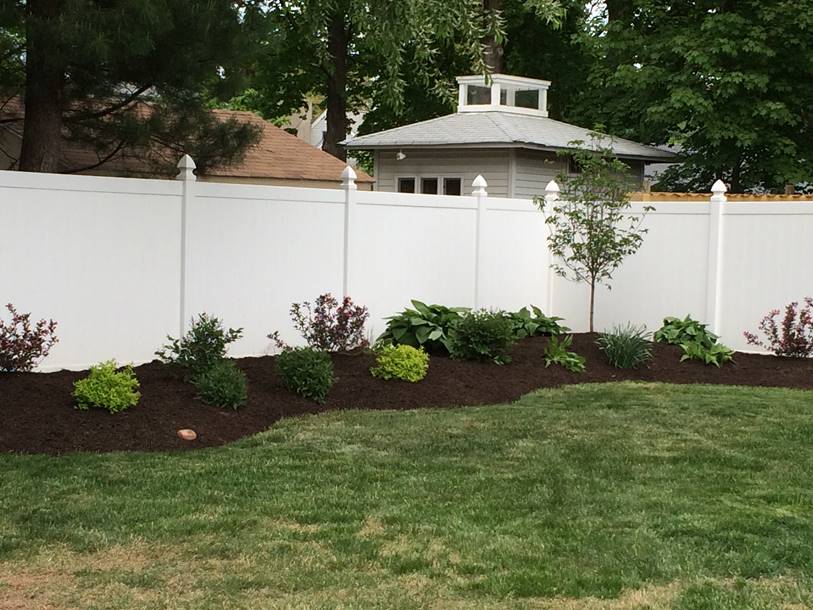

A healthy landscape does not happen because someone installs fresh mulch in spring and hopes for the best. It stays healthy because the work is steady, timed well, and adjusted to the site. Consistent property care is less about dramatic transformations and more about disciplined upkeep. Lawns recover faster, shrubs hold their shape, beds stay cleaner, irrigation systems waste less water, and small problems get corrected before they become expensive repairs.
That is the practical value of landscape maintenance. It protects the visual appeal of a property, but it also protects infrastructure, plant health, and budget. Anyone who has managed grounds for an office park, retail site, homeowners association, school, or private residence learns the same lesson fairly quickly: deferred work compounds. Miss a few visits during the growing season and edging softens, weeds seed out, turf weakens, shrubs get leggy, and drainage issues start showing up in places that looked fine a month earlier.
Reliable care comes from understanding the landscape as a living system. Turf, ornamentals, irrigation, soil, drainage, seasonal color, and hard surfaces all influence one another. When maintenance is planned with that whole system in mind, properties look better and perform better across the year.
What consistent care actually means
People often treat landscape maintenance as a simple checklist, but in practice it is closer to a rhythm. Every property has one. A shaded courtyard with mature trees behaves differently from an open commercial frontage exposed to reflected heat off pavement. A newly installed landscape needs establishment care, while an older site often needs corrective pruning, soil improvement, and irrigation recalibration.
Consistent care means matching the service schedule to growth rates, weather patterns, traffic, and expectations. On a high-visibility commercial property, weekly or near-weekly attention during the growing season is often necessary because appearance is part of the business image. On a lower-traffic residential property, some tasks may stretch farther apart, but only if the plants, lawn, and irrigation are stable enough to handle it.
It also means noticing changes early. A trained maintenance crew can see when one irrigation zone is not keeping up, when a fungal issue is just beginning in turf, when a shrub has outgrown its placement, or when a bed edge is breaking down because runoff is pushing mulch into the lawn. Those observations matter more than many owners realize. In my experience, the best-maintained properties are not always the ones with the highest budgets. They are the ones where someone is paying attention.
Start with the site, not the calendar
A calendar is useful, but it should never be the only guide. The site tells you what the landscape needs. Soil texture, sun exposure, drainage, wind, plant maturity, and foot traffic all change the maintenance approach.
For example, a compacted lawn beside a busy walkway will not respond to mowing alone. If the soil is tight and roots are shallow, the turf will thin out regardless of how regularly it is cut. That area may need aeration, overseeding, irrigation adjustment, and perhaps a change in traffic flow. By contrast, a perennial bed that looks rough by midsummer may not be suffering from neglect at all. It may be planted with species that need cutback, division, or replacement after their bloom cycle.
This is where landscape maintenance becomes professional judgment rather than routine labor. The same task performed at the wrong time can set a landscape back. Heavy pruning during stress periods can weaken shrubs. Overwatering during humid weather can invite disease. Fertilizing turf when roots are not actively growing can waste product and increase runoff risk. A property that receives consistent care is managed according to plant response, not just service dates.
Turf care sets the tone for the whole property
On most properties, the lawn occupies the most visual space. If the turf looks uneven, scalped, or drought-stressed, the rest of the site tends to feel neglected even when the beds are tidy. Good lawn care is not just about mowing often. It is about mowing correctly, feeding carefully, watering intelligently, and dealing with compaction before decline becomes visible from the street.
Mowing height is one of the most underrated decisions https://paxtonjzjq484.brightsora.com/posts/landscape-maintenance-for-summer-keep-your-yard-thriving in landscape maintenance. Cut too low and the lawn loses leaf area, exposing soil, stressing roots, and opening the door to weeds. Cut too high and, depending on the species and setting, it can look shaggy or hold excess moisture. The right height varies by grass type and season, but the principle is stable: never remove too much at once. A property that gets behind on mowing often ends up looking worse after service because the cut was too aggressive to catch up cleanly.
Sharp mower blades matter more than people think. Dull blades tear grass, leaving a frayed tip that turns brown and gives the whole lawn a hazy, tired look. On a commercial site where first impressions are tied to leasing, retail traffic, or tenant satisfaction, that detail is visible.
Feeding turf takes restraint. Many landscapes suffer from too much fertilizer, not too little. Excess nitrogen can produce lush top growth that demands more mowing and more water while making turf more vulnerable to disease under certain conditions. A moderate, well-timed fertility program usually outperforms an aggressive one. The goal is durable turf, not explosive growth.
Watering is where budgets often get lost. I have seen properties irrigate enough to keep pavement wet while shrubs on the far end of the same zone stayed stressed because of poor coverage. Uniformity matters as much as volume. If one area dries out repeatedly, do not assume the entire site needs more runtime. It may need a nozzle replacement, pressure correction, head realignment, or a change in scheduling.
Beds and ornamentals need shaping, not constant cutting
Well-maintained beds should look intentional, not overworked. There is a difference between pruning for health and hacking plants back because they have been ignored too long. Shrubs that are repeatedly sheared into tight shapes often become dense on the outside and bare inside. Over time, they lose their natural form and require more labor to keep presentable.
A more thoughtful approach considers species, maturity, and purpose. Foundation plantings may need light shaping to preserve clearance from walkways and windows. Flowering shrubs may need pruning soon after bloom so next season's buds are not sacrificed. Evergreens may require selective thinning rather than repeated heading cuts. Perennials often benefit from deadheading or cutback at the right stage rather than complete removal too early.
Mulch plays a role here too. Fresh mulch gives instant visual improvement, but too much of it causes problems. Mulch piled against trunks and stems can trap moisture, invite disease, and encourage girdling roots in some settings. A moderate layer, kept off the crown of plants, suppresses weeds and stabilizes soil moisture without suffocating the landscape. I have walked properties where annual mulch installation was treated as the main maintenance event, yet beds underneath were compacted, nutrient-poor, and crowded with declining shrubs. The surface looked neat for a few weeks, but the planting health said otherwise.
Weed control also requires realism. A zero-weed landscape is rarely a sustainable standard unless the property is very small or heavily staffed. The better goal is to prevent weeds from dominating, seeding, or distracting from the overall presentation. Timely hand removal in key areas, combined with healthy plant coverage and mulch management, usually delivers better long-term results than repeated reactive treatments alone.
Irrigation is maintenance, not a separate issue
Many owners think of irrigation as a technical system and landscaping as the plant side of the property. In practice, they are inseparable. A landscape can only perform as well as its watering strategy allows. If irrigation is neglected, every other maintenance task becomes harder and less effective.
Seasonal adjustments are essential. Spring schedules should not carry into peak summer unchanged, and summer runtimes should not continue into cooler months out of habit. Weather shifts, plant maturity changes, and shaded areas need less water than open heat-reflective strips. Smart controllers can help, but they are only as good as the settings, sensor function, and site data behind them.
A basic irrigation review during routine maintenance can prevent major loss. Look for heads that are blocked by plant growth, tilted out of alignment, leaking at seals, misting from excessive pressure, or watering pavement more than planting beds. These are common issues, especially on properties where shrubs have matured beyond the original design.
The best crews I have worked alongside treat irrigation inspections as part of regular field awareness. They do not wait for brown spots or tenant complaints. They notice soft ground, runoff, inconsistent color, or overspray on building walls. Those signs often show up before plant decline becomes obvious.
Seasonal transitions are where landscapes either hold together or unravel
The most expensive maintenance periods are often the ones that were handled too late. Seasonal transitions require anticipation. Spring is not just cleanup after winter. It is also the setup phase for everything that follows. If beds are not edged, pruning is delayed, irrigation is not checked, and pre-emergent timing is missed where appropriate, the season begins in catch-up mode.
Summer is the true stress test. Heat, storms, heavy growth, pests, and water demand all peak at once. Properties that looked excellent in early May can slip fast by July if there is no consistent attention to turf stress, weed pressure, drainage, and overgrown plant material. Summer maintenance should focus on stability. Keep the lawn healthy without forcing growth, preserve clear edges, remove spent material, and monitor water use closely.
Fall is often undervalued. It is one of the best times for corrective work. Turf establishment, aeration, overseeding in suitable regions, selective pruning, bed renovation, and bulb planting all benefit from fall conditions in many climates. A property that is maintained well in autumn usually greens up stronger and cleaner in spring.
Winter, where true dormancy occurs, is not dead time. It is inspection time. This is when structural pruning can be easier on certain deciduous plants, drainage patterns are more visible after rain, and deferred repairs to edging, hardscape interfaces, and worn bed lines can be planned before growth resumes. If snow or ice is part of the climate, winter also reveals where plant placement is too close to plow routes or salted surfaces.
The maintenance schedule should reflect property type
A residential estate, a medical office, and a retail center do not need identical service models. The landscape may contain similar elements, but use patterns and expectations are different.
At a private residence, owners may care more about seasonal flower color, privacy screening, and outdoor living comfort. On a commercial site, sightlines, entry experience, signage visibility, and liability control often take priority. At a school or municipal property, durability and safety usually matter more than ornamental precision. That does not mean one standard is better than another. It means the maintenance plan must fit the purpose of the property.
One useful exercise is to identify the areas that attract the most scrutiny. On many sites, this includes front entries, monument signs, corners visible from the road, pedestrian routes, and gathering spaces. Those zones often deserve the most frequent detailing. Less visible service yards or perimeter stretches may be maintained to a simpler standard without hurting the overall impression. This kind of prioritization helps control labor while preserving quality where it matters most.
Small details separate average care from professional care
There are certain details that people may not name directly, but they notice them immediately. Crisp bed edges make a property look managed. Clean transitions around curbs, poles, utility boxes, and tree rings signal competence. Weed-free cracks along walks and drives reduce visual noise. Debris blown off hard surfaces finishes the job properly.
These details also reveal whether a maintenance program is reactive or disciplined. When crews rush through mowing but skip trimming around obstacles, the site looks unfinished. When shrubs are cut but clippings remain buried in the bed, the work feels careless. The difference between acceptable and excellent often comes down to the last fifteen minutes on site.
Here are the field details that most consistently improve appearance and prevent callback issues:
- Keep bed lines crisp and visible, especially along entries, sidewalks, and curbs.
- Maintain clear plant clearance around signs, lights, HVAC units, and walkways.
- Remove clippings and leaf buildup from drains, corners, and pavement joints.
- Check for irrigation overspray or broken heads before leaving the property.
- Prune with the plant's natural form in mind, not just to reduce size quickly.
None of these tasks are glamorous, yet they shape how a property reads from the street and at close range. They are also the places where inconsistency shows first.
Common maintenance mistakes that cost more later
Most serious landscape problems begin as ordinary maintenance oversights. Rarely does a site decline all at once. More often, it slips in stages. The lawn thins near the curb because the irrigation head is misaligned. Weeds establish in one bed because mulch was spread thin and follow-up visits were delayed. Shrubs begin blocking windows because each visit only addressed the front face. Over time, each small omission adds labor, replacement cost, and frustration.
Overwatering is one of the costliest examples. It weakens roots, encourages disease, and wastes money every day it continues. Another frequent issue is using shearing as the default pruning method for every shrub on site. That may create a temporarily uniform look, but it often shortens the interval before the next cut and degrades plant structure over the long term.
Improper plant spacing also shows up later as a maintenance burden. A design that looked full and attractive at installation can become crowded within three years if mature size was ignored. Then crews are asked to keep oversized plants squeezed into undersized spaces through repeated pruning. At that point, maintenance is compensating for design flaws. Sometimes replacement with a more suitable species is cheaper than years of intensive trimming.
Ignoring drainage is another classic mistake. If water sits after storms, the answer is not always to replace struggling plants with tougher ones and hope for the best. Often the problem is grading, compaction, or downspout concentration. Maintenance teams should document recurring wet spots because they point to site conditions that routine plant care cannot solve on its own.
A practical maintenance rhythm through the year
The strongest landscape programs follow a sequence that changes with the season but stays predictable. That predictability helps both the crew and the property manager. People know what is being monitored, what is being improved, and what can wait.
A practical annual rhythm often looks like this:
- Early season focuses on cleanup, edging, pruning, irrigation startup, and turf preparation.
- Peak growing months emphasize mowing quality, weed control, water management, and appearance detailing.
- Late season shifts toward renovation, aeration where appropriate, overseeding, selective pruning, and bed correction.
- Dormant periods allow inspection, planning, structural pruning on suitable plants, and repair work.
- Throughout the year, crews should note drainage, pests, thinning turf, storm damage, and plant decline before they become urgent.
This kind of rhythm matters because landscapes are easiest to maintain when tasks are done slightly ahead of need, not after quality drops. A property manager should not have to wait for visible decline to trigger attention.
Communication is part of maintenance quality
Even skilled field work can feel unreliable if communication is poor. Owners and managers want to know what was done, what was observed, and what is likely to need action next. That does not require long reports every week, but it does require clarity. If a crew notices a broken valve, a declining tree, storm damage, or a drainage problem, that information should be passed along promptly.
The best service relationships are candid about trade-offs. If the budget allows weekly mowing but not seasonal bed renovation, say so and set expectations. If a property wants a polished appearance year-round but has outdated irrigation and overgrown plantings, explain what maintenance alone can solve and what needs capital improvement. Good landscape maintenance is not just labor delivery. It is informed guidance.
This is especially important on multi-tenant or high-profile sites, where appearance standards are high and complaints move quickly. A manager who receives proactive notes about upcoming needs is in a much stronger position than one who only hears about problems after they are obvious.
When to renovate instead of maintain
Not every landscape can be preserved indefinitely through routine care. Some sites reach a point where maintenance effort is being wasted on plants or layouts that no longer fit the property. Maybe a hedge has outgrown its space and blocks visibility. Maybe a lawn strip between curb and sidewalk is too hot, narrow, and compacted to stay healthy without constant intervention. Maybe repeated seasonal color installations are consuming budget while permanent planting areas remain underperforming.
That is the moment to consider renovation. Good maintenance should reveal where renovation would reduce future labor and improve reliability. Sometimes that means replacing high-maintenance annual beds with durable perennials or shrubs. Sometimes it means converting difficult turf areas to groundcover or mulch beds. Sometimes it means rebuilding irrigation zones to reflect current plant material instead of an outdated layout.
There is no failure in making those changes. In fact, it is often the most professional decision available. A landscape should evolve with the property, not trap it in avoidable upkeep.
The real payoff of disciplined landscape maintenance
Consistent property care creates a kind of quiet confidence. The place feels attended to. Visitors may not identify every reason, but they sense order, cleanliness, and stability. That matters on a residential property where owners want pride of place, and it matters just as much on commercial grounds where appearance influences perception before anyone walks through the door.
More importantly, disciplined landscape maintenance preserves options. Healthy turf can recover. Properly pruned shrubs respond well. Irrigation systems that are monitored can be adjusted before plant loss occurs. Beds that are kept clean and edged are easier to refresh. Once a site is allowed to slide too far, every correction gets more expensive.
The strongest maintenance programs are rarely flashy. They are observant, timely, and steady. They respect the way plants grow, the way properties are used, and the reality that landscapes change from month to month. When that rhythm is established, consistent property care stops feeling like a series of chores and starts functioning as what it really is: long-term asset protection with visible daily benefits.
Majestic Mowing & Landscaping LLC
Phone number: +19733975532
FAQ About Landscape Maintenance
What is landscape maintenance?
Landscape maintenance is the ongoing care, cleaning, and upkeep of outdoor green spaces to keep them healthy, safe, and attractive.
Is $100 an hour too much for landscape work?
An hourly rate of $100 is not too much for specialized or professional landscape work, though it sits at the higher end of the standard pricing spectrum.
How much do landscapers charge for maintenance?
For professional landscaping maintenance, homeowners typically pay $100 to $410 per month for recurring services, or an hourly labor rate of $50 to $100 per hour per crew member.