Landscape Maintenance Tips for Shade Gardens and Sunny Lawns
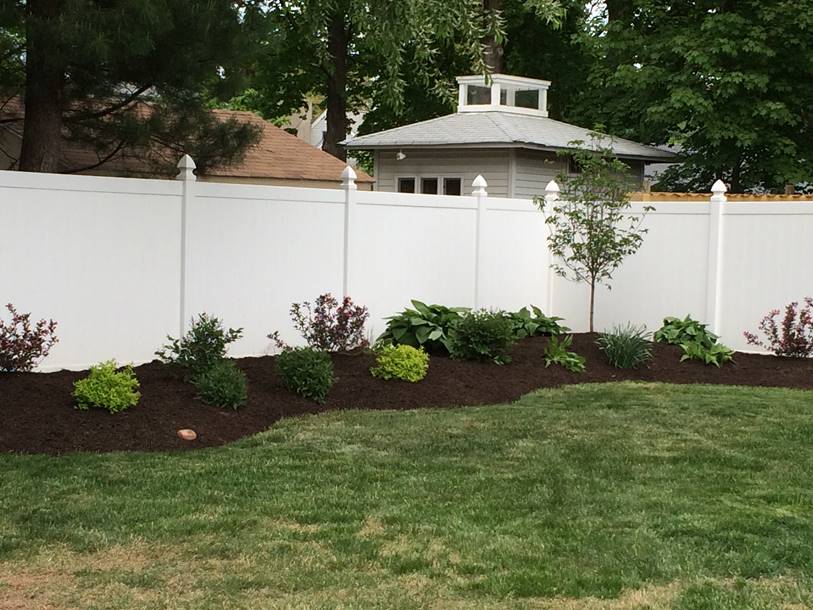
A property with both dense shade and full sun can look effortless when it is well kept. It can also become a constant source of frustration when the maintenance plan treats every part of the yard the same. That is usually where things go wrong. A shady side garden does not dry at the same pace as a south-facing lawn. Tree roots compete hard for moisture and nutrients. Sunny turf, on the other hand, can swing from lush to scorched in a week if mowing height, irrigation, and feeding are even slightly off.
Good landscape maintenance starts with accepting that these are two different environments living on the same lot. Once you work with those conditions instead of against them, the yard becomes easier to manage and usually less expensive to maintain. You use less water, lose fewer plants, and spend less time correcting problems that were predictable from the start.
I have seen homeowners pour time into rescue treatments when the real issue was not effort but mismatch. They fertilized shade turf like it was a sports field. They watered hostas as if they were annuals in blazing sun. They pruned trees hard to “help the grass,” only to stress the canopy and still end up with thin turf because the soil underneath was compacted and starved. The best results rarely come from one dramatic fix. They come from small, steady choices that fit the light, soil, and traffic patterns in each area.
Start with the site, not the plant tag
Before adjusting any maintenance routine, pay attention to how the yard actually behaves. Shade is not one thing. Dry shade under mature maples is very different from bright morning shade along the east side of a house. Likewise, a sunny lawn on sandy soil in an open backyard needs a different plan than a sunny front lawn with heavier clay and reflected heat from the driveway.
Walk the property after rain. Notice where water lingers and where it disappears quickly. Check whether the shade garden gets airflow or stays still and humid. Watch how much direct sun the lawn receives in mid-summer, not just in spring before trees leaf out. Most lawns need several hours of consistent sun to stay dense. If a “sunny” lawn gets only patchy afternoon light in July, it may need a revised grass mix or a reduced expectation of perfection.
Soil tells the rest of the story. In shade beds, soil is often dry beneath the surface because tree roots drink aggressively. It can also become hydrophobic if it stays packed with old organic matter and never gets a deep soak. In full sun, the same property may have lawn areas that crust over, shed water, and heat up fast. A basic soil test every few years is one of the least glamorous but most useful tools in landscape maintenance. It takes the guesswork out of pH, phosphorus, and potassium, and helps prevent the common habit of throwing fertilizer at every problem.
Shade gardens reward restraint
Many people overwork shade gardens. They water too often, feed too heavily, and crowd plants too closely because the area looks bare in the early years. Then by the third season, airflow drops, leaves stay wet, fungal issues creep in, and plants that supposedly “love shade” start melting back.
A healthy shade garden usually looks calmer than a sunny border. Growth is slower. Bloom is often secondary to foliage texture. Maintenance should respect that rhythm.
Mulch matters here, but depth matters more. A light layer, usually around 2 inches, helps hold moisture and moderate temperature. Piling mulch 4 inches deep around crowns invites rot and creates a hiding place for slugs, pill bugs, and surface-feeding rodents. In beds under mature trees, I prefer shredded leaf mulch or a fine bark mulch that settles naturally. It looks appropriate, breaks down steadily, and improves the top layer of soil without becoming a dense mat.
Watering in shade is where judgment counts. The surface may look damp while the root zone is dry, especially under large trees. Check by hand. Push past the top inch. If the soil below is cool and lightly moist, leave it alone. If it is dusty and hard, water deeply rather than sprinkling lightly every day. Frequent shallow watering encourages weak roots and keeps foliage damp too long.
Fertilizer should also be modest. Most shade perennials do not need heavy feeding, especially if you top-dress annually with compost. Too much nitrogen produces soft, floppy growth that is more vulnerable to disease and less able to handle summer stress. In established beds, a half-inch to one inch of compost in spring often does more good than a fast-release synthetic fertilizer.
Tree roots change everything
When a shade garden struggles, the conversation often circles around light levels. Light matters, but root competition is often the real thief. Trees pull moisture and nutrients constantly, and they do it quietly. By the time the garden wilts, the damage has already started.
This shows up often around old oaks and maples. You can plant a fresh row of astilbe or hydrangea, water faithfully for two weeks, and still watch them decline because the surrounding root mass is simply winning the contest underground. In those conditions, plant selection becomes a maintenance decision as much as a design choice. Tougher plants with fibrous roots and realistic water needs tend to succeed where thirstier species fail.
It is also why digging aggressively in root zones is a mistake. Chopping through woody roots to create a perfect planting pocket can destabilize or stress a tree, and the new plant still may not thrive. I have had better long-term results by planting smaller specimens, amending only lightly, and accepting a slower fill-in period. Smaller plants establish faster and adapt more readily than oversized nursery stock dropped into hostile conditions.
If the shade garden sits beneath heavy canopy and never really performs, there is no shame in scaling back the planting density and leaning into groundcovers, ferns, sedges, or even a mulched understory with a few well-placed specimen plants. Maintenance becomes simpler, irrigation demand drops, and the whole area tends to look more intentional.
Sunny lawns need disciplined care, not constant intervention
A lawn in full sun can tolerate more traffic and recover faster than shade turf, but it also exposes mistakes quickly. Mow too short in June, and the grass browns out in the next heat spell. Water shallowly, and the roots stay near the surface. Fertilize heavily during active heat, and you can push stress instead of growth.
The single most overlooked practice in sunny lawn care is mowing height. For most cool-season lawns, keeping grass around 3 to 4 inches through the main growing season makes a visible difference. Taller blades shade the soil, reduce evaporation, and support deeper roots. Scalping a lawn to “make it last longer between cuts” usually backfires. The lawn may look tidy for two days, then tired for two weeks.
Sharp mower blades matter just as much. Dull blades tear grass instead of cutting it cleanly, leaving a grayish cast and opening the door to disease stress. If a lawn looks ragged a day after mowing, the blade is often the culprit. On actively used properties, sharpening several times a season is not excessive.
Irrigation in sun should be deep and infrequent enough to push roots downward. The exact schedule depends on soil type, temperature, and rainfall, but the principle stays the same. A soaking that reaches several inches into the soil is worth more than a daily misting. Early morning remains the safest window because it reduces evaporation while allowing the leaf surface to dry after sunrise. Evening watering can work when necessary, but it raises disease pressure if nights stay warm and humid.
Sunny lawns also reveal drainage flaws that people miss in cooler seasons. If one strip along a walkway always scorches first, reflected heat may be increasing stress. If a broad patch turns weak and pale despite irrigation, the soil may be compacted from foot traffic or construction. Maintenance is not just feeding and mowing. Sometimes it is relieving compaction, redirecting traffic, or acknowledging that a narrow hell strip beside hot pavement will never behave like the center of the yard.
The awkward middle ground where shade meets lawn
The line between garden bed and turf is often where maintenance problems gather. Tree roots rise, mower wheels scalp, string trimmers nick bark, and grass thins out under partial shade. This transition zone deserves more thought than it usually gets.
If turf has less than ideal light and also competes with tree roots, repeated overseeding may become an annual ritual with poor returns. At some point, expanding the bed line a few feet can be the more practical choice. That is not giving up on grass. It is matching the use of the space to the site. A clean edge, fresh mulch, and durable shade-tolerant plantings often look better and demand less than a permanently struggling ribbon of lawn.
Where turf remains appropriate, protect tree trunks from maintenance damage. Repeated trimmer strikes are one of the most common wounds I see in residential landscapes. They look minor at first, then years later the base of the tree shows a ring of dead tissue and the canopy begins to decline. A widened mulch ring around the trunk solves both the aesthetic and the maintenance issue.
Seasonal timing makes the work easier
The same task can help or hurt depending on timing. That is especially true when you are managing both shade gardens and sunny lawns, because they wake up and slow down at slightly different paces.
Spring should not become a cleanup frenzy. In shade beds, wait until soils are no longer saturated before moving through them repeatedly. Compaction starts with good intentions. Remove matted leaves where they smother crowns, but leave enough organic material to protect the soil surface until temperatures stabilize. In lawns, resist the urge to scalp the first cut. Early-season mowing should tidy, not shock.
Summer is mostly about moisture management and observation. Beds need checking, not constant meddling. Lawns need consistent mowing, thoughtful irrigation, and a close eye on stress patterns. Fall is the most productive season for corrective work, especially for cool-season lawns. It is when overseeding, aeration, and balanced feeding can rebuild density with less heat pressure. Shade gardens also benefit from division and transplanting in early fall when the soil remains warm but the air cools.
Winter is quieter, but not irrelevant. This is the best time to assess structure. You can see where evergreen mass is lacking, where a bed edge wanders, or where low winter sun exposes thinning turf. It is also a good season to prune dormant woody plants selectively, though major pruning decisions around shade trees should be made carefully and preferably with an arborist if the limbs are large.
A practical rhythm for routine care
For most residential properties, maintenance improves when it follows a simple cadence rather than a string of reactive chores. The exact interval changes by climate, but the pattern below suits many mixed sun and shade landscapes.
- Walk the property weekly during the growing season and look for moisture stress, mower scalping, pest activity, and blocked bed edges.
- Mow sunny lawns at a consistent height, removing no more than about one-third of the blade at a time.
- Check shade bed moisture by hand before watering, especially under large trees where surface appearances can mislead.
- Refresh mulch lightly once a year instead of adding heavy layers season after season.
- Schedule soil improvement, aeration, overseeding, and plant division for the seasons when recovery is most likely.
That routine sounds basic, but it prevents most of the expensive mistakes. Regular observation catches irrigation failures, fungal spread, and early insect damage before they become renovation projects.
Common problems and what usually causes them
The symptoms in mixed landscapes often look dramatic, but the causes are usually ordinary. A shade garden with yellowing leaves may not need fertilizer at all. It may be staying too wet because irrigation is set for the https://judahwrwn507.capitaljays.com/posts/landscape-maintenance-mistakes-that-can-damage-your-yard lawn and oversprays the bed every morning. A sunny lawn with brown patches may not be suffering from drought. It may be developing grub damage, dog urine burn, or compaction over buried construction debris.
These are the issues I see most often during routine landscape maintenance:
- Thin turf under mature trees, caused by insufficient light, root competition, or repeated mowing too short
- Powdery mildew and foliar spots in shade beds, often tied to overcrowding and poor airflow
- Mulch piled against trunks and crowns, leading to rot, rodent damage, and shallow rooting
- Localized dry spots in sunny lawns, usually from compacted soil or hydrophobic patches
- Declining perennials near foundations, where roof overhangs block rainfall and heat bounces off walls
The useful habit is to pause before treating. A fungicide does not fix chronic wetness. More seed does not solve deep shade. More water does not revive roots already damaged by rot. The right response comes from reading the site, not just the symptom.
Plant choice shapes maintenance more than people expect
A low-maintenance landscape is usually not the result of less care. It is the result of plants placed where they want to be. This matters in shade gardens especially, where people often choose by flower color first and site tolerance second.
If a bed is dry and rooty, use plants that can handle that competition. If it is evenly moist and protected, a broader palette opens up. In sunny lawns, choose grass types suited to your region, traffic level, and irrigation reality. A homeowner who wants a dark green, highly manicured lawn without much water is often asking for conflicting outcomes.
There is also a maintenance trade-off between diversity and uniformity. A richly planted shade garden with layered perennials, shrubs, and bulbs can be beautiful, but it demands observation and selective editing. A simpler mass of fewer species is easier to keep clean and cohesive. Neither is inherently better. The right choice depends on how much hands-on attention the space will actually receive in July, not how appealing it looked on planting day in April.
I remember one compact backyard where the owner insisted on a lush patch of grass beneath two large beeches because “there used to be lawn there years ago.” The turf never had a real chance. We eventually expanded the bed, planted dwarf fothergilla, hellebores, and Pennsylvania sedge, and redirected the irrigation. The change looked understated at first. By the second year, the area looked settled, healthy, and far more expensive than the struggling lawn ever did. Maintenance dropped noticeably because the site was no longer fighting itself.
When to intervene and when to leave well enough alone
Professional judgment in landscape maintenance often comes down to restraint. Not every gap needs filling immediately. Not every brown blade signals a crisis. Some of the best-kept properties are maintained by people who know when to act and when to observe for another week.
If a shade bed is established and weed pressure is low, do not tear through it every weekend. Disturbing soil brings up dormant weed seed and can damage shallow perennial roots. If a sunny lawn fades slightly during a hot spell but springs back after cooler weather, it may simply be under normal seasonal stress. Overcorrecting with excess water and fertilizer can create bigger problems than the temporary discoloration.
The goal is not a static landscape that looks identical every month. The goal is a resilient one, where shade gardens stay healthy and composed, sunny lawns stay dense and serviceable, and each area receives the kind of care it actually needs. That is the difference between maintenance that feels endless and maintenance that works.
Majestic Mowing & Landscaping LLC
Phone number: +19733975532
FAQ About Landscape Maintenance
What is landscape maintenance?
Landscape maintenance is the ongoing care, cleaning, and upkeep of outdoor green spaces to keep them healthy, safe, and attractive.
Is $100 an hour too much for landscape work?
An hourly rate of $100 is not too much for specialized or professional landscape work, though it sits at the higher end of the standard pricing spectrum.
How much do landscapers charge for maintenance?
For professional landscaping maintenance, homeowners typically pay $100 to $410 per month for recurring services, or an hourly labor rate of $50 to $100 per hour per crew member.